
Huy Fong Foods, the company behind the “renowned” Sriracha hot sauce brand, has never spent a budget on advertising or communications. Its strategy is to focus on product quality rather than profit or competition.
Quality, quality, and quality
Arriving in Los Angeles in the 1980s, David Tran could not find a substitute for the chili sauce so familiar from home. Discovering that the area's entire Southeast Asian community shared his predicament, he recognized the business opportunity of his life.
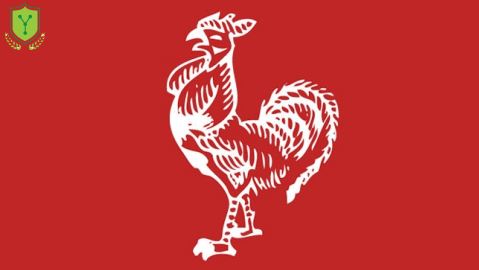
After months of research and experimentation, David developed a “Sriracha Chili Sauce” recipe that satisfied his craving, using locally available ingredients: jalapeños, vinegar, sugar, salt, and garlic. To build the brand, he used a rooster image from his zodiac sign and personally delivered each jar to small restaurants near his home.

Even when orders became large and stable, David focused solely on product quality rather than profit. Evidence of this is that Sriracha never increased its wholesale prices throughout more than 30 years, and all distribution was entrusted to 10 wholesale partners.
Therefore, Sriracha chili sauce's greatest obstacle is not business profits or losses, but the quality of its raw ingredients.
While most competitors use dried chilies for easier harvesting, processing, and bottling, Sriracha has always used fresh chilies picked directly from the plant to ensure the best flavor. This requires harvesting and processing more than 45,000 tonnes of quickly perishable chilies to supply an entire year's production.
Huy Fong Foods' commitment to quality requires it to send tons of fresh chilies directly from farms into production on the same day. Its factories are therefore just an hour's drive from Underwood Family Farms, its sole supplier for 20 years.
And because not every region can grow chilies with consistent quality and yields, Huy Fong Foods decided to focus on working with a single supplier to maintain consistent product quality.

Advertising by users is the most effective advertising
Throughout its establishment and development, Huy Fong Foods has never employed a marketer or spent any money on advertising. Moreover, the company has no Facebook, Twitter, or Google Plus account. All the information users can find about Sriracha is on an extremely simple website.
‘It all comes directly from consumers.’ Even some of Sriracha's longest-standing users still believe it is imported from Asia rather than made in their own country.
Sriracha became a famous case study thanks to the enormous value of putting customer satisfaction first.
“Good wine needs no bush”: win over each user, and they will recommend you to people they know.
Sriracha's path to becoming an indispensable ingredient in eateries ranging from humble to luxurious can be called ‘one of a kind’: it came through restaurant servers themselves.
These employees always brought a bottle of Sriracha for their own meals, prompting some restaurant owners to put Sriracha on their tables to serve Asian customers. Gradually, Sriracha ceased to be merely an ‘addition’ and became an ‘ingredient’ in meals. Some sushi chefs even used Sriracha to make their salmon rolls spicier.

Communicating Through Recipes
A quick Google search returns more than half a million results for ‘better cooking with Sriracha.’ Sriracha mixed with butter, Sriracha in sandwiches, Sriracha-flavored popcorn, grilled meat marinated in Sriracha, and even Sriracha-flavored ice cream and cocktails. The more users share recipes and photos of food featuring Sriracha on social media, the more famous the product becomes.
In 2011, author Randy Clemens published a cookbook titled “The Sriracha Cookbook,” and just two years later released a vegetarian version, “The Veggie-Lover’s Sriracha Cookbook.”
Affordable, widely available, and consistently high in quality, Sriracha has become a friend to homemakers and even the most renowned chefs.
And the Association of Sriracha ‘Addicts’
Unconcerned about sharing Sriracha's brand imagery because he sees it as free advertising for the company, David Tran always encourages as many people as possible to try Sriracha.
Focusing only on its core product, Sriracha lets partners develop more unusual products such as Sriracha2Go (a keychain and pocket Sriracha bottle) and SrirachaBox (a Sriracha package including keychains, snacks, shirts…).

Knowing that customers are the most loyal “partners,” David Tran also organizes weekly factory tours, much like the fictional Willy Wonka. Besides touring the factory, visitors get to sample Sriracha's latest products, receive free shirts, and meet CEO David Tran in person. Gradually, the Sriracha factory has become a tourist attraction for the entire area.
There are also dozens of Sriracha-themed events each year with thousands of attendees, some directly sponsored by Huy Fong Foods.
Results
From revenue of just USD 1,000 per month when he delivered orders himself, David Tran now owns two large factories in the United States, sells more than 20 million bottles of chili sauce annually, and generates more than USD 60 million in revenue, with growth exceeding 20% in recent years.
But beyond financial success, Sriracha has gradually become an indispensable part of culinary culture in the United States and many other places worldwide. It all comes from a determination bordering on stubbornness to bring customers the most valuable products.
Collected.
>> Great Articles on Entrepreneurship


