

Vietnam's emotionally overwhelming semifinal has ended, steeped in wonder and mingled with a little bewilderment at aspirations suppressed for generations. A reality bursting forth in astonishment among those considered the most perceptive: businesspeople and marketers.

AN UNEXPECTED MARKETING OPPORTUNITY
Before the Vietnam–Iraq match, off-pitch conversations seemed to revolve only around beer and arranging lively drinking gatherings for the game, stirring excitement mainly among longtime football fans. But after the miraculous and impressive performance against Iraq, interest in the tournament surged. It flooded social media and television, and, notably, created a focal point around the next match.
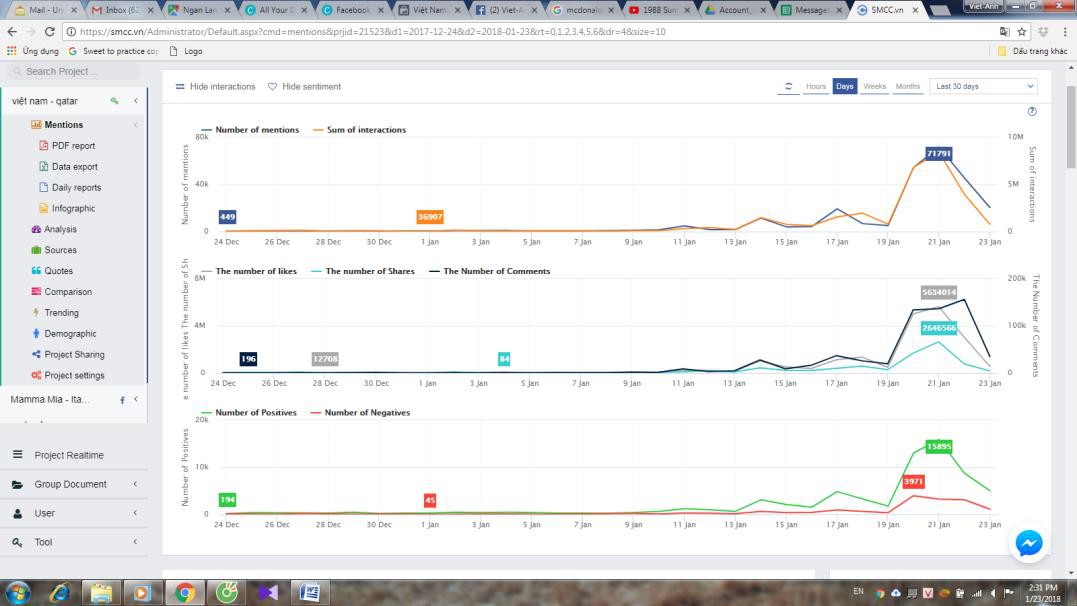
Everyone knows sports provide an excellent backdrop for Marketing campaigns. The ball then serves only as a “trigger” for patriotism, helping lead a festive spirit, create happiness and nurture hope.

More than enough for quality content that resonates with readers. A tournament not previously anticipated as a major event in Vietnam suddenly appeared before businesspeople and marketers. Numerous opportunistic ideas surfaced in sales advertisements just hours after the shock victory over Iraq. All eyes turned to the next milestone: Vietnam–Qatar.
Big players make big displays, such as a bank building on Láng Hạ Street changing its LED lighting to the national team's jersey colors. Shops simultaneously ran various online advertisements, with the most common message offering promotions to people sharing the names of players who scored in the Vietnam-Qatar match. Or they went big with across-the-board percentage discounts on bills corresponding to the number of goals the team scored against Qatar, if it won….
AN UNEXPECTED VICTORY
And Vietnam Really Won, a Victory That Once Again Left Many Marketers Bewildered.
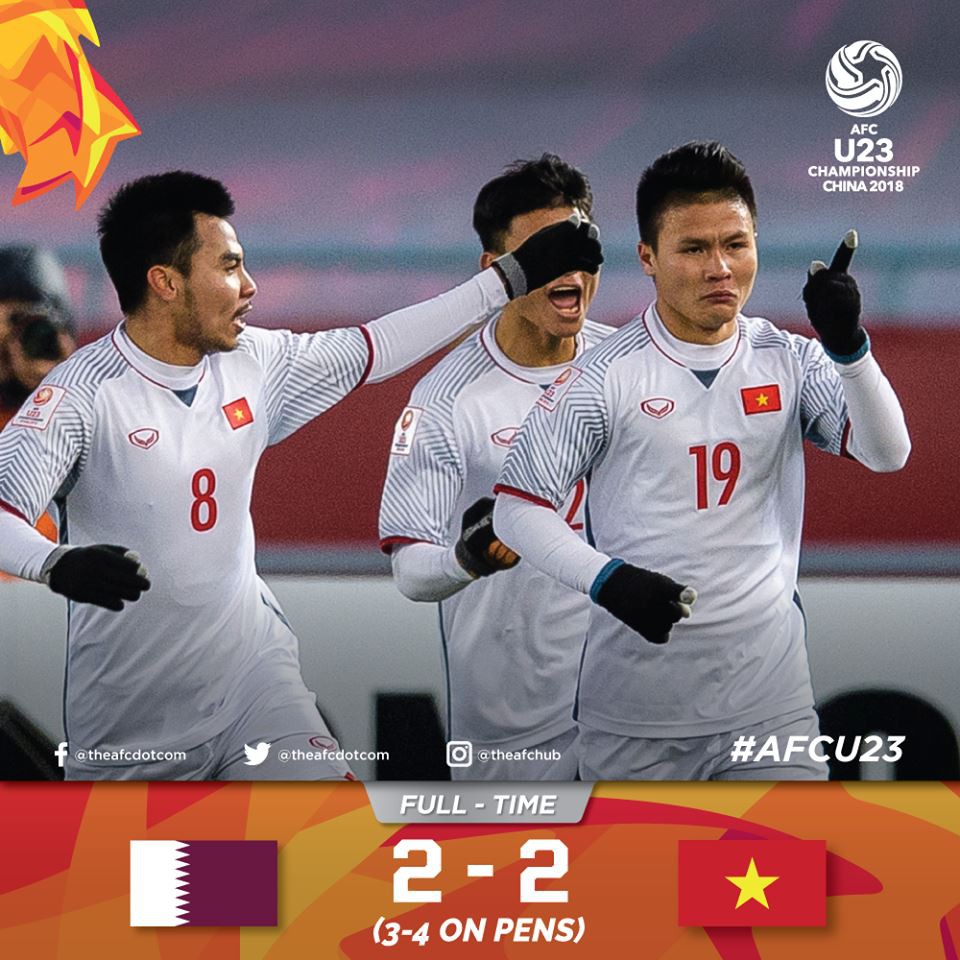
If the Iraq match brought stunned regret at not knowing in advance to prepare, the Qatar match was an unexpected victory. In a private business forum, a fashion store owner lamented: “I sell women’s clothes and advertised discounts based on player names if we won. I followed the trend without carefully choosing suitable items or remembering that the shop is near several universities. The women commenting are now calling on male friends to buy things for them…”
The owner of a sports shop chain is also considering apologizing to customers after announcing discounts and accepting table reservations, not believing Vietnam could beat Qatar. The shop was overwhelmed because vouchers could be used to celebrate immediately after the match.
An unexpected event, rapid developments, failure to account for all conditions or unexpected outcomes, and the urge to keep up with trends are common reasons many businesses have become confused about paying customer rewards and created difficulties for themselves on this occasion.
LESSONS FROM HISTORY
The Vietnamese football team's story is a textbook example of a basic PESTEL lesson for businesspeople. If marketers focus only on their specialty and forget external contextual factors such as Politics, Economy, Society, Technology, Environment, and Legal issues, they can easily miss opportunities or misjudge trends and outcomes when running a business. Clearly, marketers who know how to play football and love the game have an advantage.
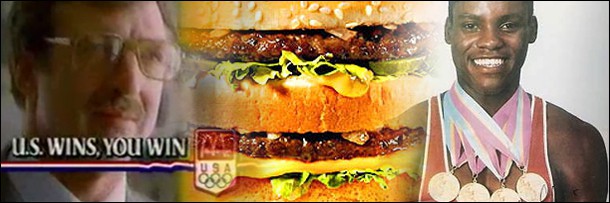
A prime example is the lesson McDonald learned from the 1984 Summer Olympics in Los Angeles (USA). The fast-food giant planned what was theoretically a perfect promotion, but it quickly became a disaster.
McDonalds' idea was simple: appeal to American patriotism by giving customers free food whenever U.S. athletes won medals in specified events. The promotion used scratch cards distributed to customers throughout the campaign. Each card contained the name of an Olympic event, and if an American athlete won a medal, the cardholder could redeem a free Big Mac, fries or a can of Coca-Cola for gold, silver or bronze respectively. The campaign slogan was simply, “When America wins, you win.”
The unfortunate issue McDonald's Marketing team faced was its inability to foresee the extraordinary number of medals Americans could win. Surprisingly, the reason was political rather than a statistical error. At the 1984 Olympics, Americans boycotted Moscow (Soviet Union), so the Soviet team retaliated, bringing nearly 60 other countries' absence with it. With many strong competitors missing, the U.S. team found it easier than ever to capture 83 of the total 226 gold medals.
The competitors' boycott and the American team's impressive performance posed an enormous problem for McDonald’s at the time. Some stores reported Big Mac shortages because hundreds of burgers had been given away free to scratch-card holders. Although the company never disclosed how much it lost on the massive promotion, estimates ran into tens of millions of dollars.
SMEs can learn a great deal from McDonald's costly marketing campaign. First, giveaways must be worth using, but attention must be paid to the accompanying terms. Next, businesses should recognize external factors that may affect marketing campaigns. Finally, they should have contingency plans ready to address any issues that arise during execution.
Video about McDonald’s campaign:
Collected.
>> Great Articles on Entrepreneurship


